Precision Nutrition Beyond Basics: Harnessing Nutrigenomics, Microbiome, and Metabolic Flexibility
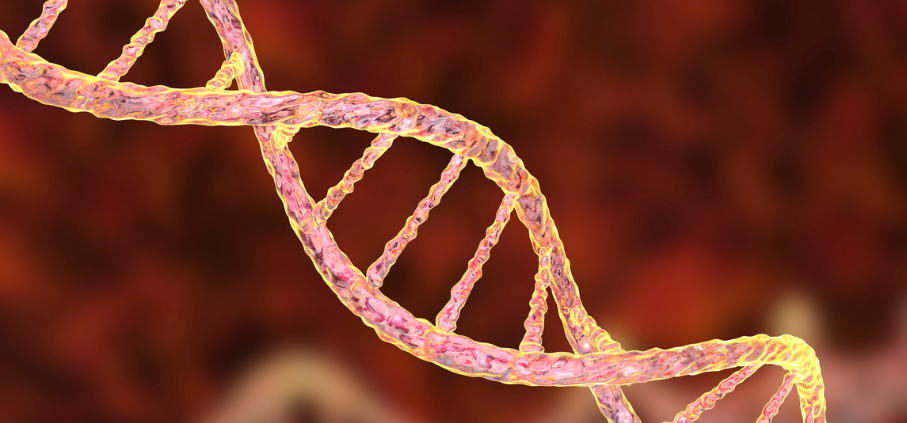
Modern nutrition has evolved far beyond calorie counting or macronutrient balancing. Advanced nutritional science now integrates genetics, the gut microbiome, and metabolic adaptability to create precision-driven dietary strategies. This approach recognizes that two people eating the same meal may experience vastly different physiological outcomes due to unique biological variations. Understanding and applying these insights allows for more accurate, personalized, and lasting improvements in health.
Nutrigenomics: When Nutrition Meets Your Genes
The Power of Gene–Nutrient Interactions
Nutrigenomics explores how nutrients can directly influence the expression of our genes. Rather than altering the genetic code itself, diet and lifestyle choices can “switch on” or “switch off” certain genes through mechanisms like DNA methylation and histone modification. This interaction determines how our bodies respond to food, affecting metabolism, inflammation, and even disease risk.
For instance, people with variations in the MTHFR gene may process folate less efficiently. Understanding this genetic nuance helps tailor nutrition strategies that include methylated forms of folate rather than the synthetic folic acid commonly found in supplements.
Nutritional Epigenetics and Long-Term Health
Nutritional epigenetics studies how dietary compounds influence gene regulation without altering the DNA sequence. Nutrients such as folate, choline, and betaine serve as methyl donors that help maintain optimal gene expression. This process plays a vital role in preventing conditions like cardiovascular disease, cancer, and metabolic syndrome.
Epigenetic “memory” is another key insight. Nutritional environments during early life, including gestation and infancy, can program long-lasting genetic behavior. This means that the nutrition of parents—even before conception—can shape the health trajectory of their offspring.
Applying Nutrigenomic Insights
Personalized nutrition through genetic understanding allows for tailored interventions. For example:
-
Individuals with APOE4 variants might benefit from a diet lower in saturated fats to manage cholesterol levels.
-
Those with COMT variants may metabolize caffeine differently and require modified caffeine intake to reduce stress hormone responses.
-
Variants in TCN2 or MTRR genes can inform personalized B12 supplementation strategies.
The key is not to chase genetic perfection but to create harmony between your genes and your diet through informed adjustments.
The Gut Microbiome: Nutrition’s Hidden Partner
Beyond Digestion: A Metabolic and Immune Superorganism
Your gut microbiome—a dynamic ecosystem of trillions of microbes—acts as a major mediator between nutrition and health. It determines how nutrients are absorbed, metabolized, and utilized. A diverse and balanced microbiome produces beneficial compounds like short-chain fatty acids (SCFAs) that regulate inflammation, support gut integrity, and enhance insulin sensitivity.
When this microbial ecosystem becomes imbalanced, known as dysbiosis, it can trigger metabolic disorders, autoimmune diseases, and even mental health issues. Therefore, feeding your microbiome is as crucial as feeding yourself.
Feeding the Microbiome: Strategic Nutritional Inputs
Certain foods act as prebiotics, probiotics, or postbiotics that influence microbial composition and activity.
-
Prebiotics: Non-digestible fibers like inulin, resistant starch, and fructooligosaccharides nourish beneficial bacteria.
-
Probiotics: Live microorganisms, such as those found in fermented foods like kefir, kimchi, and sauerkraut, help restore microbial balance.
-
Postbiotics: These are bioactive compounds produced by beneficial bacteria, offering anti-inflammatory and immune-supportive effects.
Diet diversity is essential—different bacteria thrive on different nutrients. Consuming a wide range of plant-based foods has been shown to improve microbiome diversity and function, which in turn enhances metabolic health.
Personalized Microbiome Nutrition
Emerging science now uses microbiome sequencing to guide personalized nutrition plans. By analyzing the abundance of certain microbial species, experts can determine which foods improve or hinder an individual’s metabolic health. For example:
-
Individuals with low Akkermansia muciniphila levels may benefit from polyphenol-rich foods like pomegranate or green tea.
-
Those with reduced Bifidobacterium may respond better to resistant starches from legumes and unripe bananas.
These data-driven insights allow for truly precision-based dietary interventions that go beyond generalized advice.
Metabolic Flexibility: The Next Frontier in Nutrition Science
What is Metabolic Flexibility?
Metabolic flexibility refers to the body’s ability to efficiently switch between burning carbohydrates and fats for energy based on availability. It’s a sign of optimal mitochondrial function and metabolic health. Unfortunately, many modern diets and lifestyles—characterized by constant eating, sedentary behavior, and stress—disrupt this natural adaptability, leading to insulin resistance and fatigue.
Enhancing Metabolic Flexibility Through Nutrition
Several evidence-based strategies can restore and enhance this adaptive capacity:
-
Time-restricted eating: Limiting food intake to an 8–10 hour window allows insulin levels to drop, prompting the body to utilize stored fat for energy.
-
Carb cycling: Alternating between higher and lower carbohydrate days trains the body to efficiently shift between fuel sources.
-
Mitochondrial support nutrients: Nutrients like carnitine, CoQ10, and alpha-lipoic acid aid in energy metabolism and mitochondrial efficiency.
-
Physical activity: Combining aerobic exercise with resistance training enhances the enzymes involved in fat oxidation, improving flexibility over time.
Practical Implementation
Metabolic flexibility isn’t about strict fasting or extreme diets. It’s about balance. Incorporating moderate fasting periods, nutrient-dense whole foods, and varied macronutrient ratios can help the body recalibrate its energy systems. Tracking blood glucose variability and energy levels offers feedback for personalized adjustments.
Integrating the Three Pillars: A Holistic Model of Advanced Nutrition
True precision nutrition merges these three pillars—genetics, the microbiome, and metabolic function—into a cohesive system. For example, a person’s nutrigenomic profile may reveal reduced fat metabolism efficiency, while microbiome data may suggest fiber intolerance. By integrating these insights, nutrition experts can design diets that not only align with one’s biology but also promote sustainable energy and resilience.
This holistic approach is not about chasing perfection; it’s about crafting a symbiotic relationship between nutrition, cellular function, and lifestyle. Precision nutrition is the art of aligning internal biology with external nourishment.
Frequently Asked Questions
1. Can nutrigenomics be used for weight loss?
Indirectly, yes. By understanding how your genes affect metabolism, hunger hormones, and fat storage, nutrigenomics can help personalize diets that are more effective and sustainable for weight management.
2. How often should microbiome testing be done?
For most people, once or twice a year is sufficient unless you are undergoing specific treatments or dietary interventions that significantly impact gut health.
3. Is it possible to improve metabolic flexibility without fasting?
Yes. You can achieve it through balanced macronutrient cycling, increased physical activity, and optimizing sleep and stress management.
4. Are genetic nutrition tests accurate?
They can offer useful insights but should always be interpreted alongside lifestyle, environmental, and medical factors. The science is evolving, and no single gene determines your health outcomes.
5. Do probiotics work for everyone?
Not necessarily. Probiotic efficacy depends on the strains used, your existing microbiome, and overall diet quality. Personalized selection is key.
6. Can poor diet alter gene expression permanently?
Some changes may be reversible, but prolonged poor nutrition can cause epigenetic shifts that persist over time, especially if exposure occurs during critical developmental windows.
7. How does exercise interact with nutrigenomics and metabolism?
Exercise influences gene expression related to fat oxidation and insulin sensitivity, complementing nutrigenomic interventions and promoting metabolic flexibility.