Skin Glycation: The Hidden Aging Accelerator and How to Reverse Its Effects
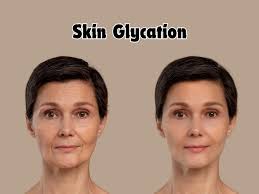
In the vast landscape of skincare science, one silent process has been stealing the skin’s youth long before wrinkles even appear — glycation. Unlike sun damage or pollution, glycation happens from within, quietly altering the structure of your skin’s vital proteins. This internal biochemical reaction accelerates aging at the cellular level, undermining firmness, radiance, and elasticity. While it’s often overlooked, understanding and controlling glycation could redefine how we think about anti-aging skincare.
What Is Skin Glycation?
Glycation is a non-enzymatic chemical reaction where sugar molecules bind to proteins, lipids, or nucleic acids in the body. When this happens, the sugars form cross-linked compounds known as Advanced Glycation End-products (AGEs). These AGEs stiffen and weaken the structural framework of the skin, particularly collagen and elastin fibers, which are responsible for maintaining firmness and flexibility.
As AGEs accumulate, the skin’s architecture becomes brittle and less resilient. This manifests visibly as fine lines, sagging, and dullness—the unmistakable signs of premature aging.
The Biochemistry Behind Glycation
The process of glycation is not entirely new to medicine; it’s closely studied in relation to diabetes and cardiovascular diseases. However, in skin physiology, the process takes a particularly destructive role.
When glucose or fructose molecules attach to proteins, they form Schiff bases and Amadori products—unstable intermediates that, over time, rearrange into AGEs. These AGEs then bond to collagen fibers, making them rigid and less soluble. As a result, collagen turnover slows dramatically, and fibroblasts (the cells that produce new collagen) become less active.
Furthermore, AGEs interact with receptors for advanced glycation end-products (RAGE) on the surface of skin cells, triggering inflammatory pathways and oxidative stress. This chronic inflammation degrades the skin barrier, weakens immune response, and accelerates the breakdown of extracellular matrix proteins.
Why Glycation Accelerates Visible Aging
1. Loss of Elasticity
Cross-linked collagen fibers lose flexibility and fail to provide the skin with bounce or structure, leading to sagging and fine lines.
2. Reduced Repair Efficiency
Glycated proteins resist enzymatic degradation, preventing the skin from efficiently clearing old, damaged fibers. This stagnation slows renewal and regeneration.
3. Dull, Yellowed Complexion
AGEs absorb and scatter light differently, creating a sallow, uneven tone often referred to as the “sugar face.”
4. Increased Inflammation
AGE-RAGE interaction amplifies the release of inflammatory cytokines like IL-6 and TNF-alpha, which further degrade collagen and accelerate photoaging.
5. Weakened Barrier Function
Chronic inflammation and oxidative damage compromise the lipid matrix, increasing trans-epidermal water loss (TEWL) and sensitivity.
Factors That Intensify Skin Glycation
While glycation is a natural process, certain habits and environmental factors significantly accelerate it:
- High Sugar Diets: Refined carbohydrates and excess fructose raise blood glucose levels, directly fueling glycation.
- Smoking: Cigarette toxins induce oxidative stress, amplifying AGE formation.
- UV Radiation: Sun exposure triggers glycoxidation, a combined effect of glycation and oxidation.
- Pollution: Free radicals from pollutants enhance RAGE activation and collagen breakdown.
- Stress: Elevated cortisol levels influence glucose metabolism and inflammatory response, indirectly promoting glycation.
How to Combat Glycation from Within
1. Dietary Intervention
Food choices are the first line of defense. To minimize internal glycation:
- Focus on low-glycemic foods such as whole grains, legumes, and vegetables.
- Include antioxidant-rich fruits like berries, citrus, and pomegranate to counter oxidative stress.
- Consume omega-3 fatty acids from fish, chia seeds, or flaxseed to reduce inflammation.
- Avoid or limit high-heat cooking methods like grilling, frying, or roasting, as these produce dietary AGEs.
2. Supplements that Fight Glycation
Certain nutrients have proven anti-glycation or antiglycoxidation properties:
- Alpha-Lipoic Acid (ALA): Regenerates other antioxidants and prevents AGE formation.
- Carnosine: A dipeptide that directly binds and neutralizes reactive carbonyl species before they damage proteins.
- Benfotiamine (Vitamin B1 derivative): Reduces AGE accumulation by blocking sugar-derived toxins.
- Niacinamide (Vitamin B3): Supports cellular repair and improves barrier function.
Skincare Strategies to Reverse Glycation Damage
1. Topical Antiglycation Ingredients
The new generation of cosmeceuticals now targets glycation at the molecular level. Look for formulations containing:
- Carnosine: Inhibits cross-linking between collagen fibers.
- Ergothioneine: A powerful antioxidant that reduces carbonyl stress.
- Resveratrol: Neutralizes free radicals and modulates RAGE activation.
- Blueberry and Grape Extracts: Rich in polyphenols that protect fibroblast DNA.
2. Retinoids for Collagen Renewal
Retinoids remain the gold standard for stimulating collagen synthesis and accelerating the removal of damaged fibers. By promoting cellular turnover, they reduce the presence of glycated collagen and support new matrix formation.
3. Advanced Peptide Complexes
Bioengineered peptides can mimic growth factors that stimulate fibroblast activity. Certain peptides, like Matrixyl 3000 and Palmitoyl Tripeptide-5, help strengthen collagen architecture and offset glycation-induced rigidity.
4. Professional Treatments
Dermatological procedures can complement topical care:
- Laser Resurfacing: Promotes collagen remodeling and reduces AGE accumulation.
- Microneedling with PRP: Enhances dermal repair by introducing growth factors that restore elasticity.
- LED Therapy: Blue and red wavelengths help manage inflammation and oxidative stress.
The Role of Lifestyle in Glycation Prevention
Lifestyle choices are often underestimated in their impact on skin aging. Beyond diet, sleep, exercise, and stress management significantly influence glycation levels.
- Regular Exercise improves glucose metabolism, reducing sugar spikes that trigger glycation.
- Adequate Sleep supports growth hormone secretion, essential for collagen repair.
- Mindfulness and Stress Reduction help regulate cortisol and inflammatory mediators that amplify glycation damage.
Emerging Research: The Future of Anti-Glycation Skincare
The frontier of skin science is shifting toward epigenetic modulation—the idea that lifestyle and skincare can influence gene expression related to glycation. Advanced formulations now target specific glycation-related enzymes, such as glyoxalase I, to accelerate the detoxification of reactive glucose derivatives.
In addition, biotech innovators are developing synthetic peptides that mimic the body’s natural antiglycation defense system, offering a more targeted approach to reversing glycation’s visible effects.
Conclusion
Skin glycation is one of the most underestimated drivers of aging—an invisible yet relentless force undermining the structural integrity of the skin from within. However, understanding its mechanisms opens the door to a new era of preventive and reparative skincare. Through smart nutrition, targeted skincare actives, and lifestyle discipline, it’s entirely possible to slow or even reverse glycation-related aging.
Taking control of your skin’s chemistry means more than just fighting wrinkles—it’s about preserving cellular vitality for years to come.
FAQs About Skin Glycation
1. Can glycation damage be reversed completely?
While complete reversal isn’t possible, consistent anti-glycation care can significantly reduce AGE accumulation and restore collagen flexibility over time.
2. Are natural sweeteners like honey or agave better for preventing glycation?
Not necessarily. They still contain sugars that can trigger glycation. Moderation and low-glycemic choices are key.
3. Does sunscreen help against glycation?
Indirectly, yes. UV exposure accelerates glycoxidation, so consistent SPF use prevents an added layer of damage.
4. How soon can you see results from antiglycation skincare?
Most people notice improved elasticity and glow within 6–8 weeks, depending on collagen turnover rate and product potency.
5. Are diabetic individuals more prone to skin glycation?
Yes. Elevated blood glucose levels accelerate AGE formation, making targeted skincare and strict glucose control essential.
6. Can intermittent fasting reduce glycation?
Emerging studies suggest it may help by improving insulin sensitivity and lowering circulating glucose, indirectly reducing glycation.
7. Is glycation only linked to aging skin?
No. It also contributes to chronic inflammation, delayed wound healing, and pigmentation disorders, making it a wider skin health concern.