How Gym Trainers Improve Form, Strength Development and Exercise Confidence

Many people enter the gym with good intentions but poor confidence. They may not know how to use equipment, how much weight to lift or whether their form is correct. A gym trainer singapore programme can help members train with better technique, build strength safely and feel more confident in the gym environment.
Exercise confidence is not built by guessing. It is built through understanding. When a trainer explains movement, corrects form and creates a clear plan, the member begins to feel more in control. This confidence can make a major difference in long-term consistency.
Why Form Matters More Than Ego
Lifting heavier is not always better if technique is poor. Bad form can shift stress away from the target muscles and place unnecessary pressure on joints.
For example, poor squat technique may overload the knees or lower back. Poor rowing form may fail to activate the back properly. Poor pressing form may irritate the shoulders.
A gym trainer teaches members how to move with control. This helps exercises become safer and more effective.
Real-Time Corrections Make Learning Faster
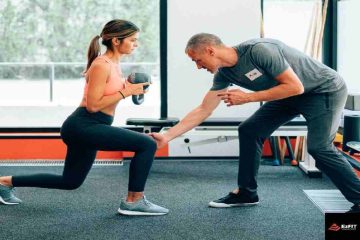
One of the biggest advantages of working with a trainer is immediate feedback. If a member is moving incorrectly, the trainer can correct it during the set.
This may include changing foot position, adjusting posture, slowing the tempo or reducing the weight. These changes help the member understand what proper movement feels like.
Learning through real-time correction is often faster than watching videos alone because the feedback is personal.
Strength Development Needs Progression
Strength does not improve by doing the same thing forever. The body needs progressive challenge. However, progression must be managed carefully.
A trainer can decide when to increase weight, add repetitions, change exercise difficulty or improve range of motion. This prevents both undertraining and overtraining.
Good strength development is not rushed. It is built step by step with proper technique.
Confidence Comes From Knowing the Plan
Many people feel nervous in the gym because they do not know what to do next. They walk between machines, copy others or avoid areas that feel intimidating.
A trainer removes that confusion. Each session is planned. The member knows the exercises, sequence and purpose.
This creates a sense of control. Over time, the gym becomes less overwhelming and more familiar.
Better Form Builds Better Muscle Connection
When form improves, members often feel exercises working in the right muscles. This is sometimes called mind-muscle connection.
For example, a proper row should engage the back rather than only the arms. A controlled squat should involve the legs and glutes rather than only the knees. A good plank should challenge the core without straining the lower back.
A trainer helps members recognise these differences.
Avoiding Common Training Mistakes
Common gym mistakes include lifting too heavy too soon, skipping warm-ups, rushing repetitions, ignoring mobility and training the same muscles too often.
A trainer helps avoid these mistakes by creating balance. The programme includes warm-up, strength work, recovery and progression.
This makes training more sustainable and reduces frustration.
Building Independence Over Time
A good trainer does not only guide sessions. They also educate the member. Over time, the member learns how to set up equipment, understand effort levels and recognise good form.
This builds independence. The member becomes more confident even when training outside personal training sessions.
The long-term goal is not dependence. It is capability.
Real-Life FAQs
Q. Can a trainer fix my form quickly?
Ans. Some corrections can happen immediately, but long-term movement improvement takes repeated practice.
Q. Should I lift lighter if my form is poor?
Ans. Yes. It is better to reduce weight and improve technique before increasing load.
Q. Will a trainer make me confident enough to train alone?
Ans. A good trainer should help you understand exercises well enough to become more independent over time.