Prenatal Vitamins and Constipation: How to Find an Iron-Free Alternative
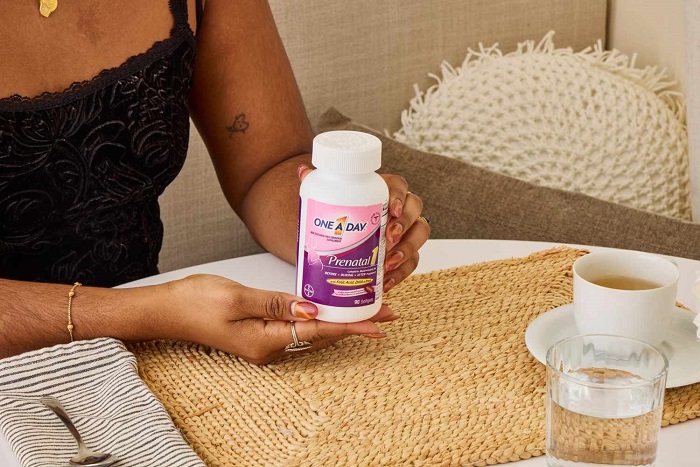
Pregnancy triggers a cascade of profound physical transformations, but few symptoms prove as consistently disruptive to daily comfort as gastrointestinal distress. While morning sickness and fatigue dominate popular conversations about early motherhood, sluggish digestion and painful bowel movements quietly affect a vast majority of expectant mothers. The irony is that many women discover their discomfort escalates immediately after beginning the very regimen designed to protect their developing baby: their daily prenatal vitamin.
Navigating pregnancy requires physical resilience, yet enduring chronic digestive misery is not an obligatory rite of passage. For many women, standard multivitamin formulas compound natural hormonal slowdowns with heavy doses of poorly tolerated minerals. Understanding how prenatal ingredients interact with your digestive tract makes it possible to find an iron-free alternative that relieves constipation without compromising the critical nutrients your growing baby demands.
The Biological Culprit: Progesterone Meets Elemental Iron
To understand why traditional prenatal vitamins cause digestive gridlock, one must first look at maternal physiology. From the earliest weeks of conception, the placenta produces surging levels of progesterone. This vital hormone relaxes smooth muscle tissue throughout the body, preventing early uterine contractions and allowing the womb to expand.
Unfortunately, progesterone does not discriminate between uterine tissue and the gastrointestinal tract. As intestinal muscles relax, peristalsis—the wave-like contractions that propel food through the bowels—slows to a crawl. The longer digestive waste remains in the large intestine, the more water the colon reabsorbs from the stool, leaving it dense, dry, and difficult to pass.
Standard prenatal vitamins then introduce a substantial dose of supplemental iron, often between twenty-seven and forty-five milligrams of elemental iron per serving. Most commercial formulas utilize inexpensive iron salts such as ferrous sulfate, ferrous fumarate, or ferrous gluconate. These inorganic forms have notoriously low bioavailability, meaning the human body absorbs only a small fraction of the ingested dose. The unabsorbed surplus travels into the lower intestinal lumen, where it directly irritates the mucosal lining, alters the gut microbiome, and turns the already dehydrated stool into an unyielding, rock-like mass.
When Does an Iron-Free Prenatal Make Sense?
Iron is undeniably crucial during pregnancy; maternal blood plasma expands by roughly forty to fifty percent, and developing red blood cells require iron to transport oxygen to the fetus and placenta. However, the universal practice of packing high-dose iron into every single prenatal multivitamin overlooks individual health baselines.
Many women enter pregnancy with optimal, robust ferritin stores and healthy hemoglobin counts. In these instances, flooding an already sluggish digestive system with daily surplus iron yields negligible clinical benefit while causing immense physical discomfort, hemorrhoids, and abdominal cramping.
Furthermore, during the first trimester, acute nausea and hyperemesis gravidarum make keeping a dense, metallic-tasting pill down nearly impossible. If severe constipation or persistent vomiting prevents a woman from maintaining a balanced diet, switching to an iron-free prenatal multivitamin is often a sensible, clinician-supported strategy. A simple ferritin and complete blood count (CBC) panel can establish your baseline iron levels, giving you and your healthcare provider the objective data needed to determine whether pausing supplemental iron is clinically appropriate.
Key Nutrients to Verify in an Iron-Free Formula
Transitioning away from an all-in-one prenatal requires careful label reading. Eliminating iron should never mean skimping on the essential micronutrients responsible for early organogenesis, structural formation, and neural protection. When evaluating an iron-free supplement, confirm that the formula provides robust, bioavailable doses of several fundamental building blocks.
Folate Versus Synthetic Folic Acid
Folate is non-negotiable for preventing neural tube defects during early embryonic development. Look for formulas featuring L-methylfolate (often listed as 5-MTHF) rather than generic synthetic folic acid. Methylfolate is the active, methylated form of the vitamin that bypasses common genetic enzymatic bottlenecks, ensuring immediate cellular utilization by both mother and child.
Choline for Fetal Brain Architecture
Choline is just as vital as folate for neural tube closure, placental function, and long-term cognitive development. Despite its critical role, choline is omitted entirely from many commercial prenatals because it requires substantial physical volume within a pill. Ensure your chosen iron-free option contains an appreciable dose of choline, or plan to incorporate a dedicated choline supplement alongside your multivitamin.
Iodine, Vitamin D3, and Active B-Complex
A mother’s thyroid governs embryonic brain development and metabolic regulation, creating an elevated biological requirement for iodine. Additionally, bioavailable Vitamin D3 (cholecalciferol) supports fetal bone ossification and maternal immune function, while methylated B-vitamins like methylcobalamin (B12) maintain neurological pathways and support natural cellular energy production throughout the day.
Choosing the Right Format: Gummies Versus High-End Capsules
Iron-free prenatal vitamins generally fall into two categories: gummy formulations and targeted specialty capsules. Each format presents distinct practical advantages and distinct trade-offs.
Gummy prenatals are naturally iron-free because elemental iron carries a strong, bitter metallic taste that cannot be easily masked in a chewable base, and high-dose iron in confectionary form poses an accidental toxicity risk for young children. Gummies offer an appealing, easy-to-swallow solution for women suffering from heightened gag reflexes or morning nausea. However, they rarely contain sufficient calcium, magnesium, or choline due to space constraints, and they often carry added sugars or glucose syrups that some expectant mothers prefer to avoid.
Conversely, premium iron-free capsules or tablets preserve the comprehensive nutrient density of advanced prenatals without the digestive irritation of iron. These formulations leave ample room for clean mineral chelates and active coenzymes, offering a sophisticated nutritional profile for women who prefer a complete, single-serving supplement.
Navigating Iron Later in Pregnancy: Gentler Alternatives
For many expectant mothers, a routine blood draw in the late second or early third trimester reveals a physiological drop in iron markers as fetal demand peaks. If your healthcare provider confirms that you need supplemental iron, you do not necessarily have to return to harsh, constipating multivitamin pills.
A more comfortable strategy is continuing with an iron-free foundational prenatal while introducing a separate, highly bioavailable iron supplement. Sourcing iron bisglycinate—a chelated compound where iron is bound to two glycine molecules—minimizes gastrointestinal side effects because the molecule remains intact through the acidic stomach environment and absorbs smoothly through amino acid pathways in the small intestine.
Pairing a low-dose chelated iron with a whole-food source of Vitamin C maximizes absorption, while spacing it hours away from calcium-rich meals prevents mineral competition. Many providers also endorse alternate-day dosing, a method that respects the body’s natural hepcidin response, optimizing net iron uptake while giving the digestive tract ample time to rest.
Pregnancy should be defined by anticipation, health, and vitality, not chronic digestive pain. By taking control of your supplement regimen, choosing clean, iron-free foundational vitamins, and addressing your iron needs with individualized precision, you can protect your nutritional health while giving your body the comfort it deserves.