
How to Treat Hormonal Cystic Acne When Spironolactone Fails
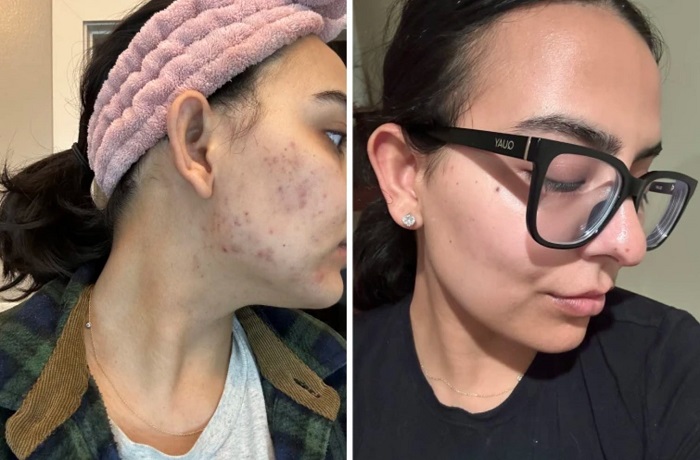
For women navigating the physical discomfort and emotional exhaustion of adult hormonal acne, spironolactone is frequently hailed as the definitive clinical remedy. As an oral potassium-sparing diuretic with strong anti-androgenic properties, the medication works by blocking androgen receptors and curbing the testosterone-driven oil production that fuels deep, painful jawline and chin cysts. For countless patients, it clears recalcitrant breakouts when conventional topical creams and oral antibiotics fail.
Yet for a significant subset of women, spironolactone does not deliver the promised clearance. Some experience persistent cystic flares even after months of diligent use, while others are forced to discontinue the medication due to disruptive side effects such as irregular menstrual bleeding, debilitating fatigue, or lightheadedness.
Finding yourself back at square one after investing months in a systemic treatment can feel disheartening. However, spironolactone failure is not an indicator that your acne is untreatable. Rather, it signals that the inflammatory cascade on your skin is being driven by pathways that standard androgen blockade cannot fully neutralize. Regaining control requires a methodical pivot toward targeted medical alternatives, metabolic evaluations, and modern in-office therapies.
Auditing the Protocol: Dosage, Timing, and Diagnostics
Before assuming spironolactone has completely failed, a dermatologist will typically assess whether the medication was given an adequate therapeutic trial. Spironolactone works gradually because it must recalibrate circulating hormone activity at the follicular level.
-
Assessing the timeframe: Hormonal adjustments take time to manifest in the skin. A minimum trial of three to six months at a steady dosage is required to accurately gauge efficacy. Breakouts occurring in the first eight to twelve weeks often reflect pre-existing microcomedones working their way to the surface rather than true medication failure.
-
Evaluating the dosage: Therapeutic doses for hormonal acne generally range between 100 and 200 milligrams daily. Many patients are started on low introductory doses, such as 25 or 50 milligrams, to monitor tolerability. If your dosage was never titrated upward, the treatment may simply have been sub-therapeutic.
-
Ruling out dermatological mimics: Lesions that look like hormonal acne can sometimes stem from entirely different pathologies. Conditions such as Gram-negative folliculitis, Malassezia (fungal) folliculitis, rosacea fulminans, or perioral dermatitis can easily masquerade as cystic acne while proving completely unresponsive to anti-androgens.
Exploring Next-Tier Prescription Alternatives
When spironolactone is genuinely ineffective or intolerable, dermatology offers several distinct pharmacological pathways that approach cystic inflammation from alternative biological angles.
Combined Oral Contraceptives
If you are not already utilizing birth control, switching to or adding an FDA-approved combined oral contraceptive (COC) can provide potent systemic control. While spironolactone works primarily by competing directly with androgens at the receptor site, combined birth control pills tackle the issue higher up the endocrine chain.
Estrogen in oral contraceptives stimulates the liver to produce Sex Hormone-Binding Globulin (SHBG). This specialized protein circulates through the bloodstream, binding to free testosterone and rendering it biologically inactive before it can bind to sebaceous glands. When paired with low-androgen or anti-androgenic progestins—such as drospirenone, norgestimate, or desogestrel—birth control pills can suppress both ovarian androgen synthesis and peripheral hormonal signaling.
Topical Anti-Androgens: Clascoterone
A notable breakthrough in dermatological therapeutics is clascoterone 1% cream, the first topical anti-androgen approved for acne. For patients who suffered systemic side effects from oral spironolactone, clascoterone offers a localized alternative.
Applied twice daily, clascoterone competes directly with dihydrotestosterone (DHT) for local androgen receptors within the sebocytes and hair follicle cells. Because it is quickly metabolized into an inactive compound upon penetrating the skin, it delivers targeted anti-androgenic benefits precisely where breakouts originate, without entering systemic circulation or altering circulating hormone levels in the bloodstream.
Oral Isotretinoin as a Definitive Structural Reset
When deep cysts continue to cause physical pain and risk permanent atrophic scarring, oral isotretinoin (commonly known by its historical brand name, Accutane) remains the clinical gold standard.
Isotretinoin operates through an entirely different mechanism than anti-androgens. Rather than managing circulating hormones, it permanently shrinks overactive sebaceous glands, alters the follicular microenvironment to starve acne-causing bacteria, and normalizes cellular turnover to prevent pores from clogging.
While women with underlying hormonal conditions can sometimes experience mild breakouts years after completing an isotretinoin course, the treatment fundamentally resets baseline gland anatomy. Even if minor maintenance is required later, it drastically diminishes the severity and depth of future lesions.
Investigating the Insulin-Androgen Metabolic Axis
Hormones do not operate in silos. If blocking testosterone at the receptor level fails to control cystic breakouts, the underlying catalyst may be metabolic rather than purely ovarian or adrenal.
Hyperinsulinemia is one of the most overlooked drivers of persistent adult acne. When you consume high-glycemic foods, or when underlying insulin resistance is present—such as in classic or lean Polycystic Ovary Syndrome (PCOS)—the pancreas secretes elevated amounts of insulin. Elevated circulating insulin triggers two destructive actions: it stimulates the ovaries to produce excess androgens and simultaneously suppresses the liver’s production of SHBG.
Furthermore, insulin increases circulating levels of Insulin-like Growth Factor 1 (IGF-1). This growth factor activates mTORC1, an intracellular signaling pathway that directly commands sebaceous glands to churn out thick, inflammatory sebum and drives rapid skin cell proliferation.
Working with an endocrinologist or functional medicine provider to evaluate fasting insulin, fasting glucose, and lipid markers can provide vital clues. If metabolic dysregulation is present, incorporating insulin-sensitizing therapies—such as metformin, myo-inositol supplementation, and a low-glycemic, anti-inflammatory dietary pattern—can lower systemic insulin spikes, indirectly calming the hormonal triggers of cystic acne at their metabolic origin.
In-Office Energy Therapies and Acute Relief
For individuals seeking alternatives to daily systemic pills, modern in-office dermatological procedures offer non-pharmacological methods to alter the skin’s physical infrastructure.
The development of 1726 nm laser therapy has provided a non-invasive option designed specifically to target and downregulate overactive sebaceous glands. By delivering a precise wavelength of thermal energy that is selectively absorbed by sebum, this technology selectively damages the oil glands without harming surrounding epidermal tissue. Clinical outcomes indicate that a series of treatments can produce lasting reductions in inflammatory acne counts comparable to oral medications.
For acute, active emergencies, do not attempt to extract or pick a deep cystic nodule. Because hormonal cysts form deep within the dermis without a clear surface connection, squeezing merely forces inflammatory fluid deeper, worsening tissue necrosis and increasing scarring risk. A dermatologist can administer an intralesional corticosteroid injection (dilute triamcinolone acetonide) directly into the center of the nodule. This rapidly collapses local swelling, alleviates pain, and resolves the lesion within twenty-four to forty-eight hours without disrupting the surrounding tissue.
Protecting the Cutaneous Barrier
A common tactical error made after a prescription medication fails is aggressively assaulting the skin with harsh over-the-counter drying agents, high-strength exfoliating acids, and abrasive scrubs. Stripping the skin’s protective lipid barrier does not stop internal hormonal cystic formations; instead, it triggers compensatory irritation, compromises the microbiome, and impairs wound healing.
Pair your medical regimen with a gentle, non-comedogenic routine focused on barrier integrity. Look for hydrating cleansers, soothing humectants like glycerin and hyaluronic acid, and barrier-repairing ceramides. When combined with advanced prescription topical retinoids like trifarotene or micro-encapsulated tretinoin, a healthy skin barrier ensures optimal cellular turnover without the secondary redness and flaking that make managing acne even more challenging.
Managing hormonal cystic acne when a frontline treatment like spironolactone falls short requires patience and clinical precision. By methodically exploring alternative prescription combinations, evaluating metabolic and endocrine markers, and leveraging modern dermatological procedures, you can assemble a targeted treatment strategy that addresses the true drivers of your breakouts and restores long-term clarity to your skin.


