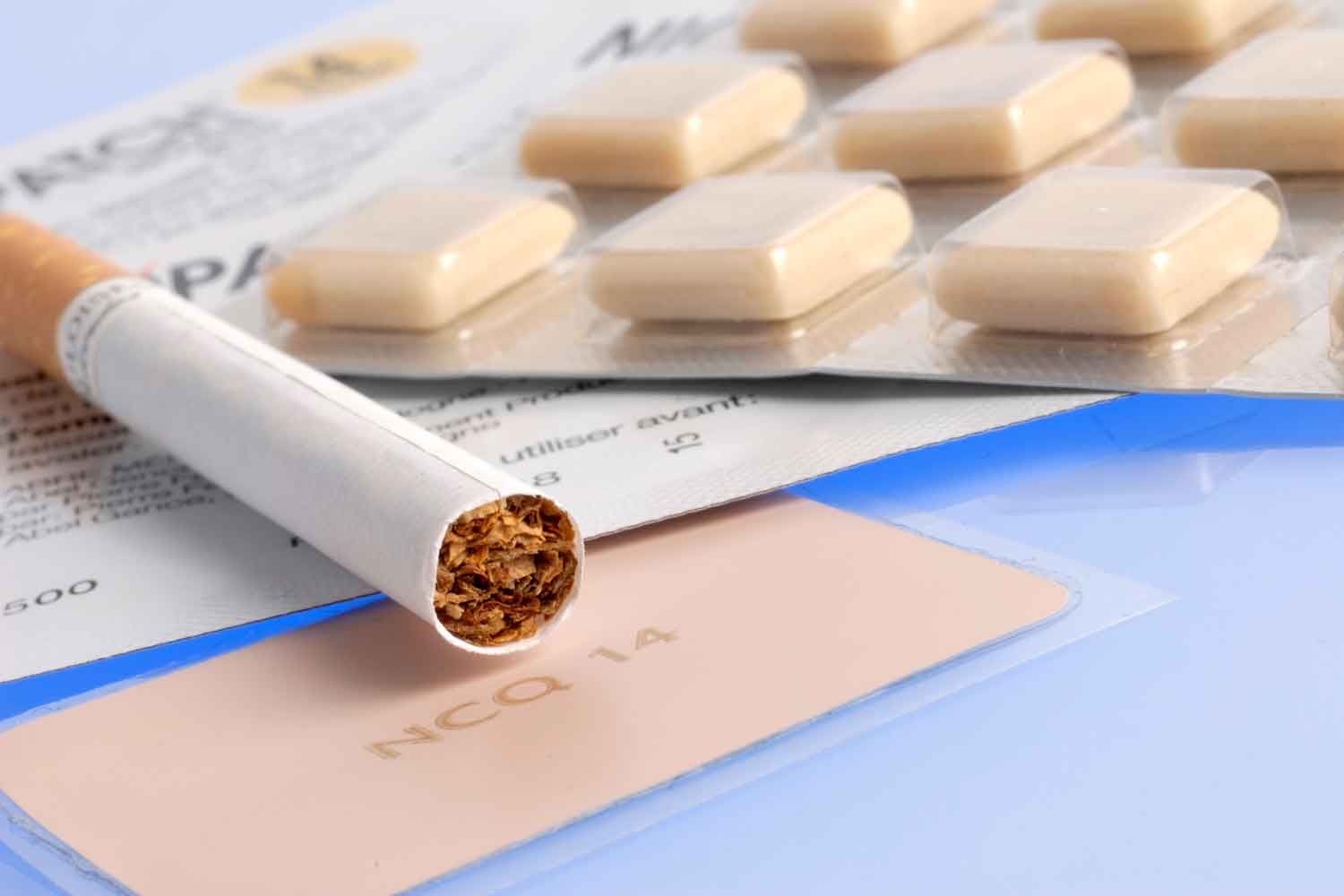
Important Information You Need To Know On The Nicotine In E-Liquid
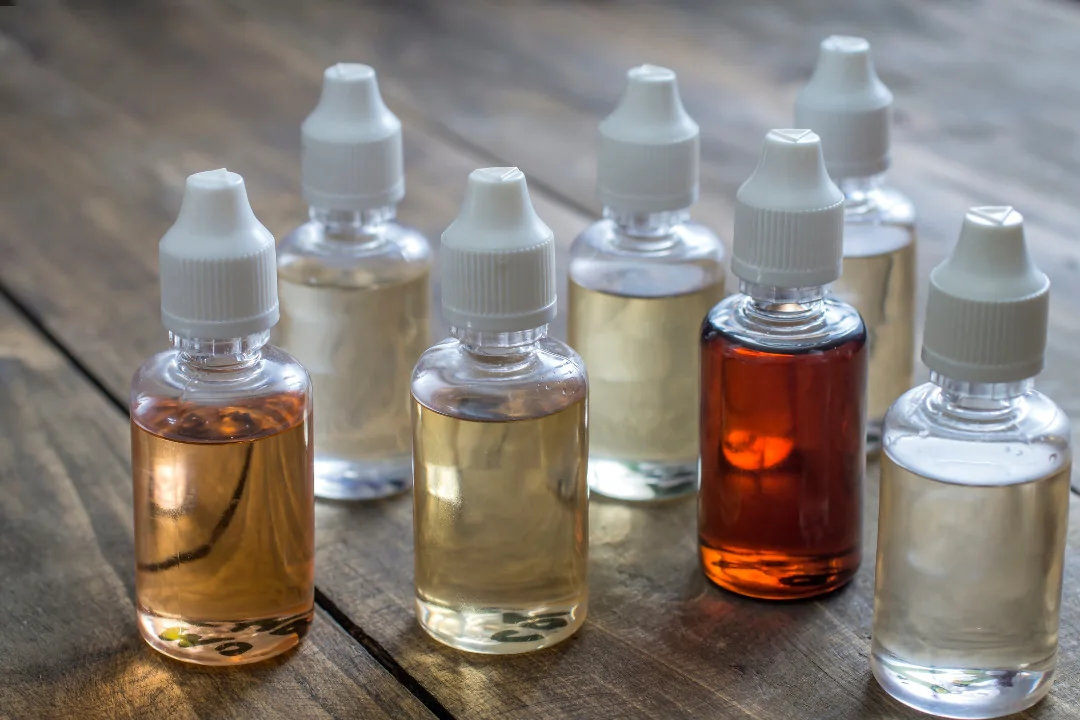
For most vapers, the critical component in their e-liquid is nicotine; having decided to quit smoking using vaping as a successful form of replacement therapy, they require their vape to deliver an excellent nicotine hit. To achieve this, manufacturers of e-liquid use one of two different types of nicotine. I will provide some in-depth information on both variations and how they affect vaping sensations.
Understanding E-Liquid
To understand how the different types of nicotine affect the characteristics of a great vape, I first want to touch on the other ingredients of e-liquid; these consist of the following –
- Propylene Glycol – known as PG, is used in the food industry and a vaping context; it is an excellent flavour carrier.
- Vegetable Glycerin – referred to as VG, is thicker than its counterpart; derived from plant oils, it delivers large vapour clouds and is smooth on the throat.
- Food Flavourings – these are the food industry’s common flavourings.
The fourth and most critical component, nicotine, can be pre-mixed into ready to use e-liquids or purchased separately by vapers who prefer to mix e-liquid to their unique blend.
The Different Nicotine Derivatives
As previously mentioned, there are two different types of nicotine used in e-liquids; the first and more traditional type was called freebase nicotine, first developed over 60 years ago. The second product, nicotine salt, and its use in e-liquid is a development in the vaping world to improve the vaper’s experience. Let’s take an in-depth look at both types now.
Freebase Nicotine
In its natural form as a salt, nicotine is not easily absorbed by the human body. To combat this, tobacco manufacturers developed a chemical process using ammonia. This process increases the PH levels of the salts, which in turn allow them to be absorbed more quickly by the lungs when burnt. This purest form of nicotine used in vaping e-liquids delivers high amounts very efficiently, but its downside is that it is harsh on the throat.
Salt Nic or Nic Salt
This more recent form of nicotine is also produced from the natural salts in tobacco leaves. Still, it differs from freebase nicotine in that it does not use any harsh chemicals in the manufacturing process. The process uses natural acids to change the chemical makeup of nicotine and lower the PH levels; this allows the body to absorb the new product at a lower temperature. An added improvement also results in a smoother throat hit and reduction in harshness when the vaper uses a Nic salt-based e-liquid which means a higher level of nicotine can be vaped.
What Is Best for You?
I hope that information clarifies the differences between the two types of nicotine as to what is best for you. This question is something only you can answer; vapers enjoy different sensations for their vape. But with this information about nicotine production and its characteristics, you are better equipped to make an informed decision, happy vaping.